The back story
Berlin After Dark: Bowie, Techno and Club Heritage
From Bowie at Hansa and punk at SO36 to Tresor, the Love Parade and Berghain: Berlin’s nights.
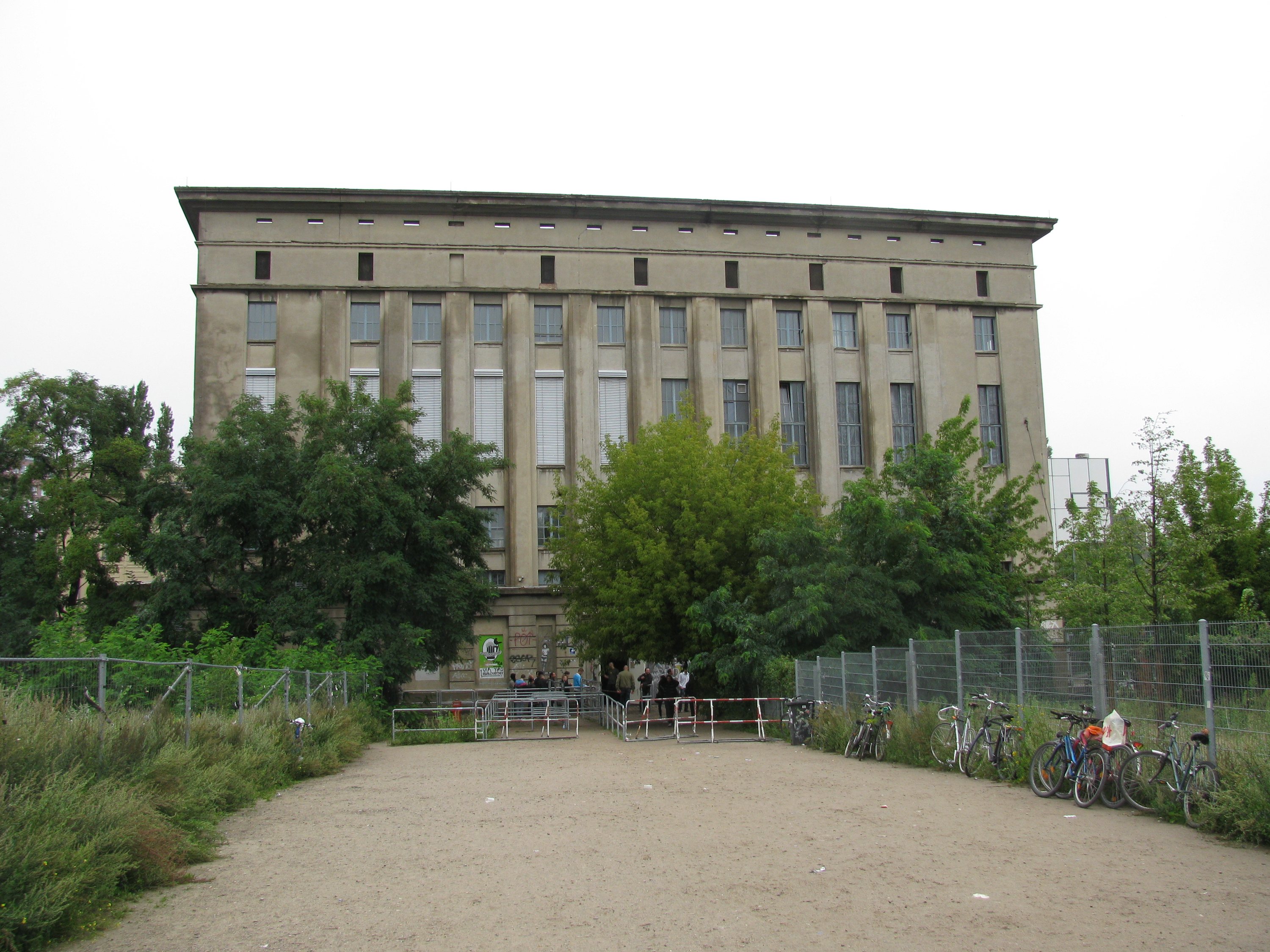
Photo Credit
Image courtesy of © GeorgDerReisende · CC BY-SA 4.0 via Wikimedia CommonsThe story of Berlin’s nights, from David Bowie and Iggy Pop at Hansa by the Wall and Kreuzberg’s SO36 to the Ufo club, Tresor and the techno years after the Wall fell, the Love Parade, Ostgut, Berghain and KitKatClub, with the clubs and concert halls where the city goes out today.
No city has danced through its own history quite like Berlin. A walled island in the 1970s, a capital of empty buildings after 1989 and a magnet for artists ever since, it turned power stations, vaults and railway depots into some of the most famous dance floors on earth. The thread of this story is the city’s industrial shell: Berlin’s music has always found its home in the buildings that others left behind.
Bowie, Iggy Pop and Hansa by the Wall
In 1976 David Bowie and Iggy Pop came to West Berlin to finish Low and The Idiot at Hansa, and Bowie stayed: a memorial plaque at Hauptstrasse 155 in Schöneberg records that he lived there from 1976 to 1978. “Heroes”, released in October 1977, was the only album of his Berlin trilogy recorded entirely in the city, and Iggy Pop’s Lust for Life followed at Hansa that summer.
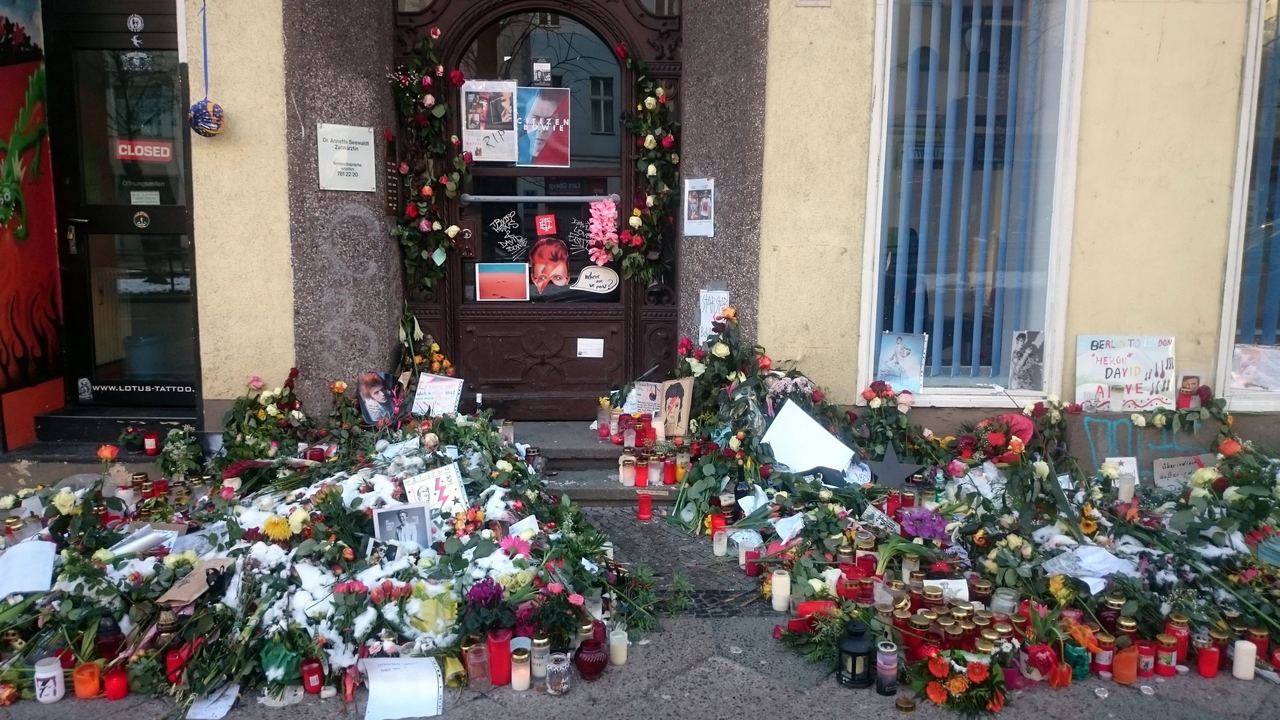
Photo Credit
Image courtesy of © Dirk Ingo Franke · CC BY-SA 4.0 via Wikimedia Commons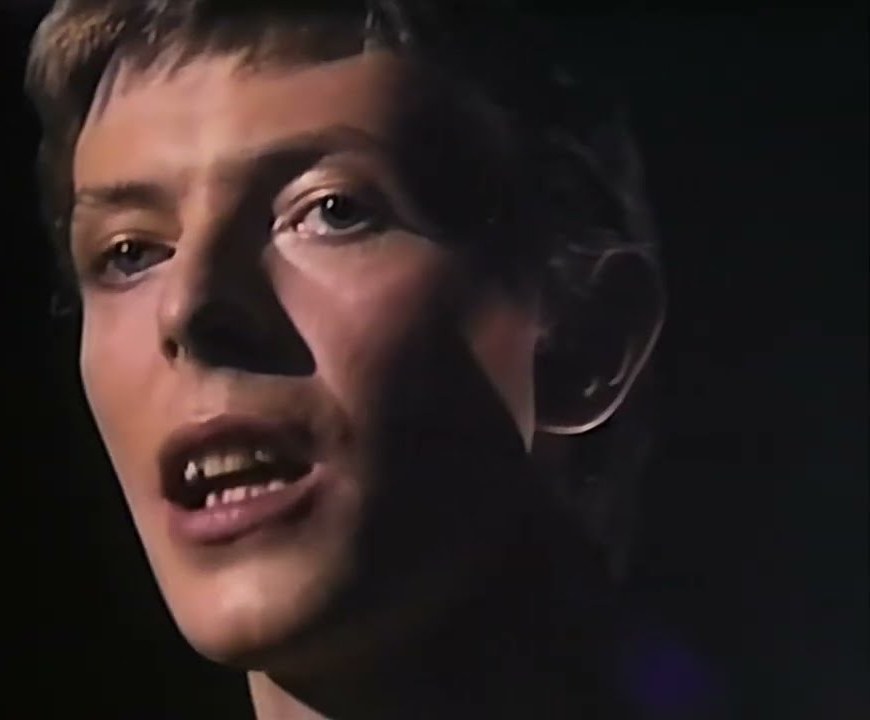
Video Credit
Video © David Bowie · plays from YouTube, which may set its own cookies once it starts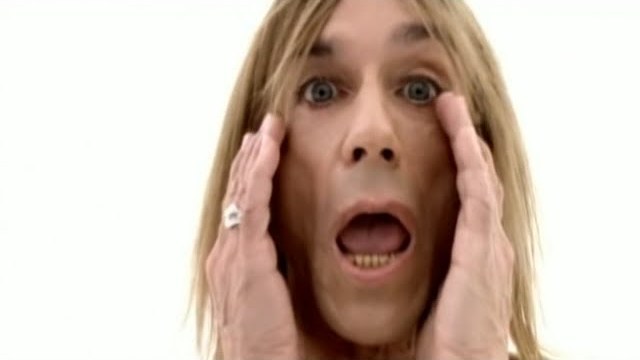
Video Credit
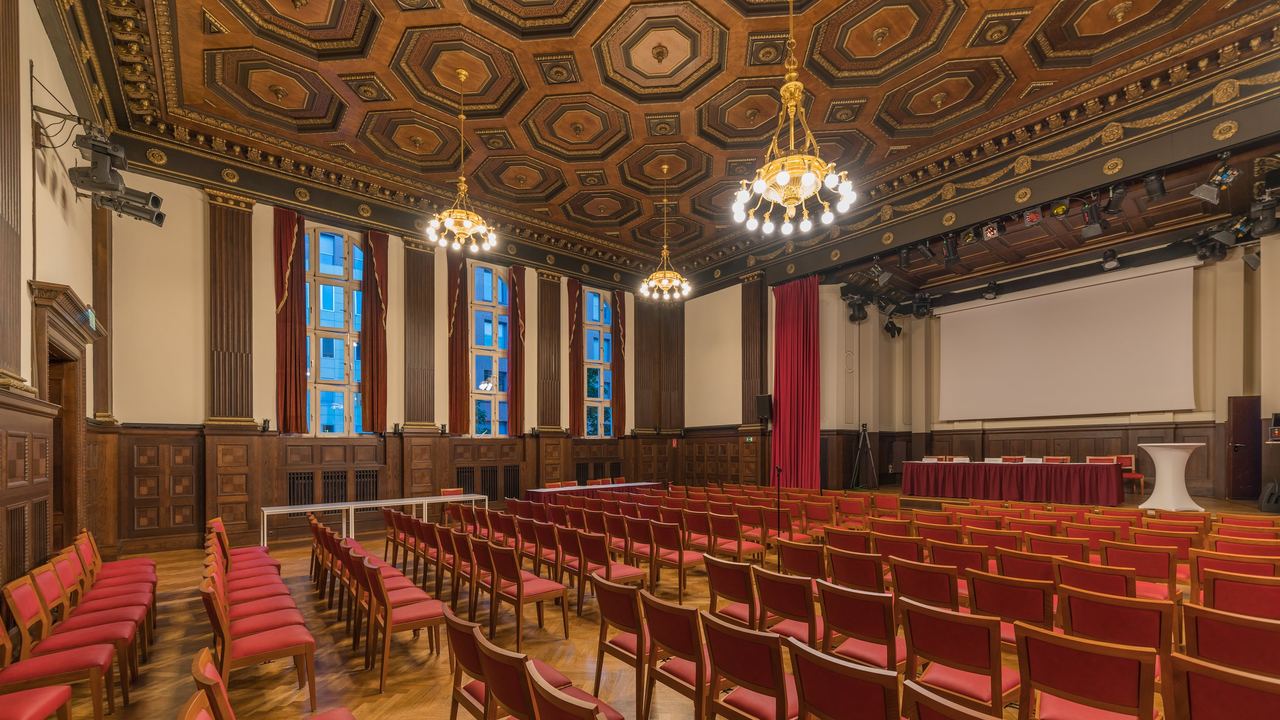
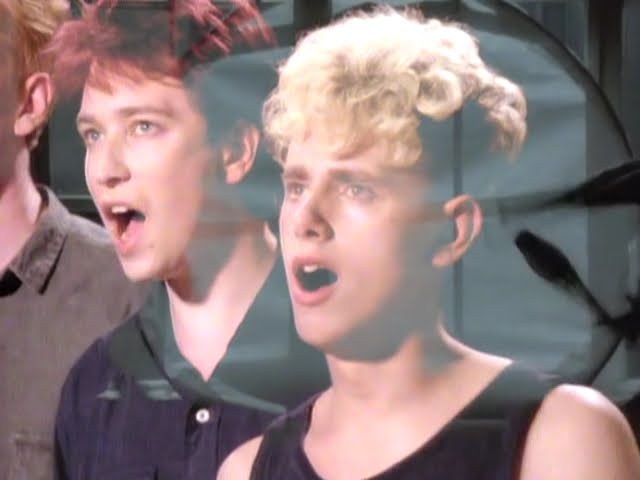
Video © Iggy Pop · plays from YouTube, which may set its own cookies once it startsHansa’s great room was the Meistersaal at Köthener Strasse 38, a 1913 concert hall about 150 metres from the Wall, which earned the studio the name “Hansa by the Wall”. Depeche Mode recorded there in 1983 and 1984, and in late 1990 U2 began Achtung Baby in the same rooms, the year after the Wall came down.
Video Credit
Video © Depeche Mode · plays from YouTube, which may set its own cookies once it starts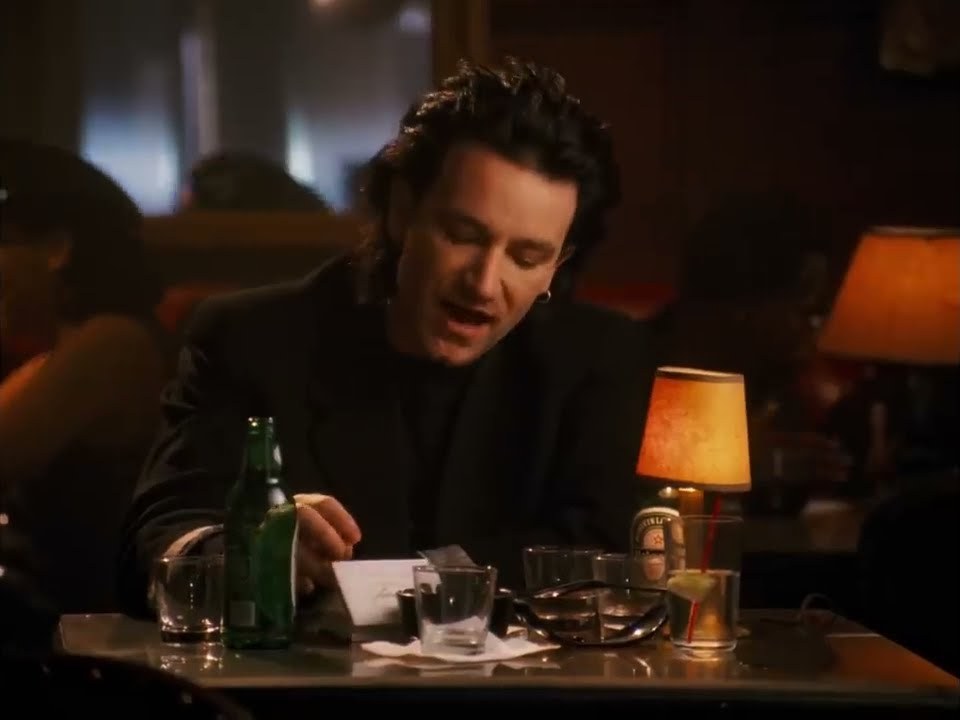
Video Credit
Video © U2 · plays from YouTube, which may set its own cookies once it startsKreuzberg punk: SO36 and the art-noise years
In Kreuzberg, the home of Berlin punk, SO36 on Oranienstrasse took its name from the district’s old postcode. Since the 1970s it has been one of the city’s great stages for alternative music, and in 1979 the painter Martin Kippenberger took over its management, a sign of how closely Berlin’s artists and bands lived together.
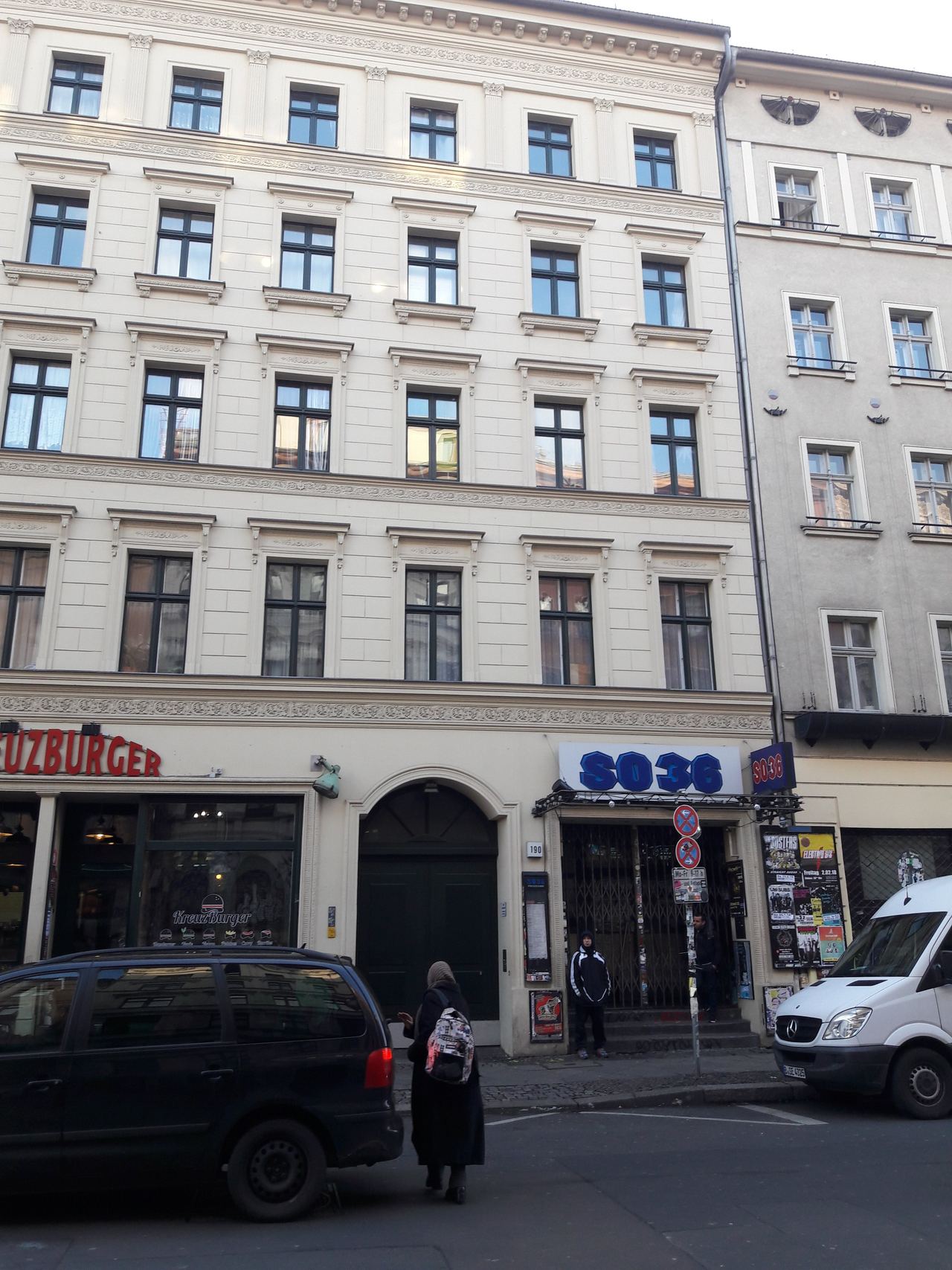
Photo Credit
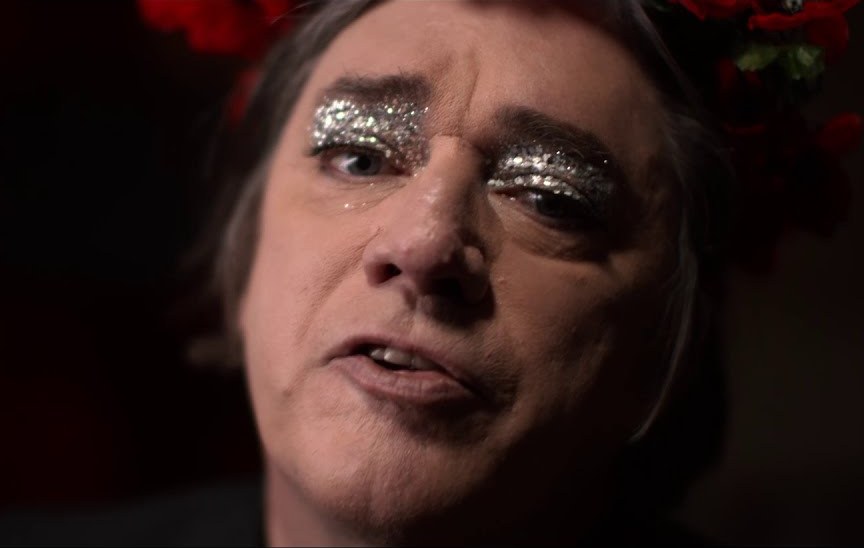
Image courtesy of © Christian Alexander Otto · CC BY 4.0 via Wikimedia CommonsArt and noise met head on: the industrial band Einstürzende Neubauten first played on 1 April 1980 at the Moon Club in West Berlin. Through the 1980s West Berlin was a laboratory where musicians, painters and film-makers shared the same bars and stages.
Video Credit
Video © Einstürzende Neubauten · plays from YouTube, which may set its own cookies once it startsAfter the Wall: Ufo, Tresor and the techno years
Acid house reached West Berlin in 1988, when Dimitri Hegemann’s Interfisch collective opened the Ufo club for unlicensed parties; it ran until 1990. When the Wall fell on 9 November 1989, free underground techno parties spread through the empty buildings of the East, and in March 1991 Hegemann and his partners opened Tresor in the vaults of the former Wertheim department store on Leipziger Strasse, near Potsdamer Platz.
Tresor Records followed in October 1991, releasing American pioneers such as Jeff Mills, Juan Atkins and Robert Hood, and from 1992 a wartime bunker on Friedrichstrasse hosted hardcore techno. Tresor closed on 16 April 2005 when its site was sold, and reopened on 24 May 2007 in the southern hall of the old Heizkraftwerk Berlin-Mitte on Köpenicker Strasse, where it still plays today.
The Love Parade
In July 1989 about 150 people danced down the Kurfürstendamm at the initiative of Matthias Roeingh, known as Dr. Motte, and Danielle de Picciotto. The Love Parade grew so fast that in 1996 it had to leave the Kurfürstendamm for the Strasse des 17. Juni in the Tiergarten, with the Victory Column at its centre, and from 1997 to 2000 it drew more than a million people every year.
In 2016 a German court ruled that Berghain is a cultural institution.
The last Love Parade in Berlin was held in 2006, but its spirit has returned: Dr. Motte’s Rave The Planet parade first took to the streets on 9 July 2022. In March 2024 Berlin’s techno culture was added to Germany’s national inventory of intangible cultural heritage, overseen by the German Commission for UNESCO.
Ostgut, Berghain and KitKatClub
Berlin’s most famous club has gay roots. Norbert Thormann and Michael Teufele began with Snax, a men-only party, in the 1990s, and in 1998 opened Ostgut in a former railway repair depot in Friedrichshain, a predominantly gay club where techno and queer nightlife met on equal terms. When Ostgut closed in January 2003 to make way for a new arena, they looked for a new home.
They found it in a 1953 power station built as part of the Stalinallee development. Panorama Bar opened there in October 2004 and the main room, Berghain, in December. Its door is famously strict, cameras are covered with stickers inside, and in 2016 a German court ruled it a cultural institution. KitKatClub, opened in March 1994, carries on the city’s uninhibited side in Mitte.
Live music: from the Philharmonie to Kreuzberg
Berlin’s concert life runs from the sublime to the sweaty. Hans Scharoun’s golden Philharmonie opened on 15 October 1963 with Beethoven’s Ninth, and remains the home of the Berliner Philharmoniker. In Kreuzberg, Bi Nuu and SO36 keep the tradition of small, loud concert rooms alive.
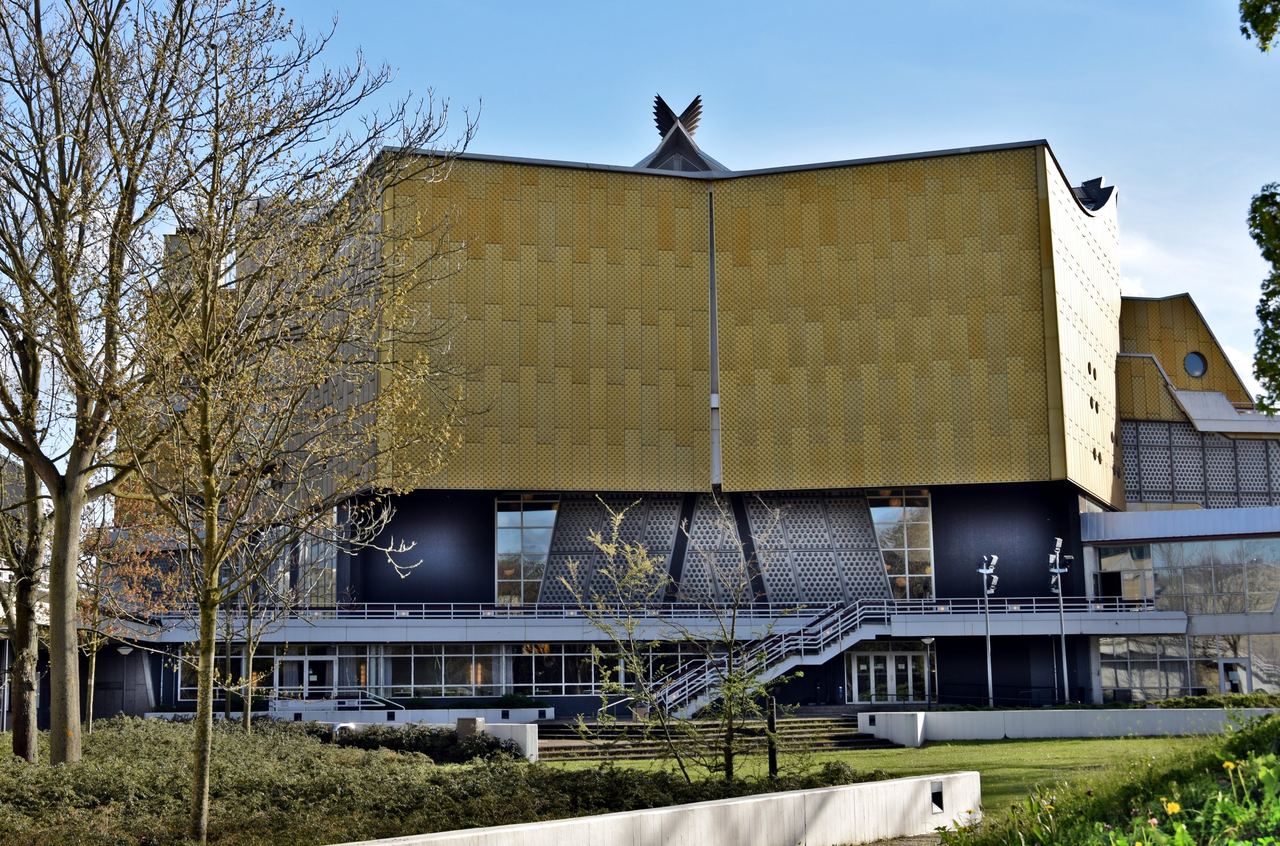
Photo Credit
Image courtesy of © Singlespeedfahrer · CC0 via Wikimedia CommonsBerlin after dark today
The clubs of the story are still open. Berghain and Panorama Bar fill the old power station by the Ostbahnhof, Tresor and OHM share the Heizkraftwerk on Köpenicker Strasse, and Golden Gate sits under the S-Bahn arches by Jannowitzbrücke. Along the Spree, Kater Blau dances at Holzmarkt and YAAM brings music and street art to its beach.
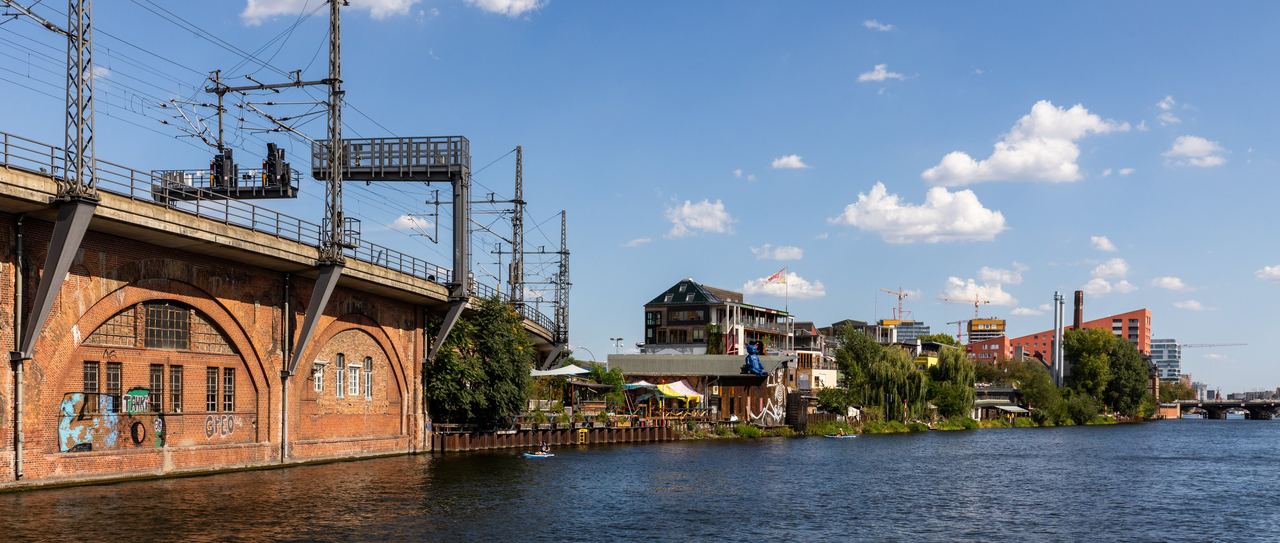
Photo Credit
Image courtesy of © Felix Winkelnkemper · CC BY 2.0 via Wikimedia CommonsFurther east, ://about blank has a garden by Ostkreuz and Sisyphos sprawls across an old factory site in Rummelsburg. KitKatClub, with its famous dress codes, completes the set.
Our advice
Our advice: Berlin’s clubs open late and run long, so there is no need to arrive before 1am. Doors are selective: dress simply, go in a small group and respect the no-photos rules. Carry cash and ID, check each club’s own site for the weekend’s programme, and by day walk Köthener Strasse for Hansa, Hauptstrasse 155 for Bowie and Oranienstrasse for SO36.
Why it's on our list
- Bowie, Iggy Pop and Hansa
- SO36 and Kreuzberg punk
- Tresor and the techno years
- The Love Parade
- Ostgut and Berghain
- Where to go now
Location
The map comes from Google Maps, which sets its own cookies once it loads.
More in depth
 The back storyA perfect evening in Berlin: tasting menu to cocktail barHow a starred tasting menu unfolds, and when to book.
 The back storyThe Adlon, the Kurfürstendamm and the creative east: the grand hotels of BerlinThe Adlon, the Kurfürstendamm and the east: where to stay.
 The back storyFrom the Brandenburg Gate to Bernauer Strasse: Berlin, the divided cityWhere the Wall stood, how it fell and its story today.